

Harvest curry leaves from an established, actively growing plant, take only a small amount, and leave plenty of healthy foliage behind. A newly delivered starter plant needs time to settle in before becoming your regular kitchen supply.
I'm Kumar from Kumar's Garden. If you bought a plant because you love cooking with fresh curry leaves, it is tempting to pick them immediately. The better first question is: does this plant have enough foliage to spare?
When can you start harvesting a young curry leaf plant?
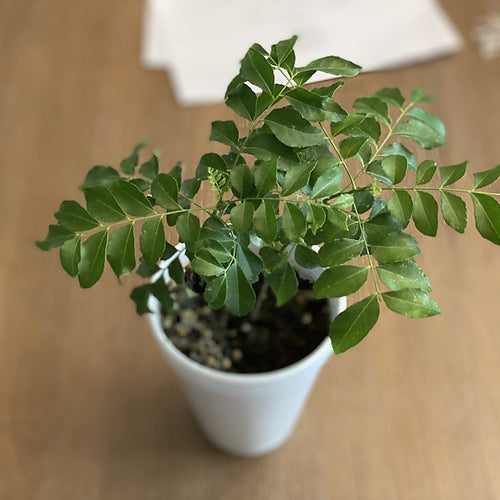
Use the plant's condition rather than a promised number of days. Look for healthy new growth, a stable plant in its pot and enough mature foliage that a small picking will leave it looking full. Wait if it has just arrived, recently been repotted, or is losing leaves.
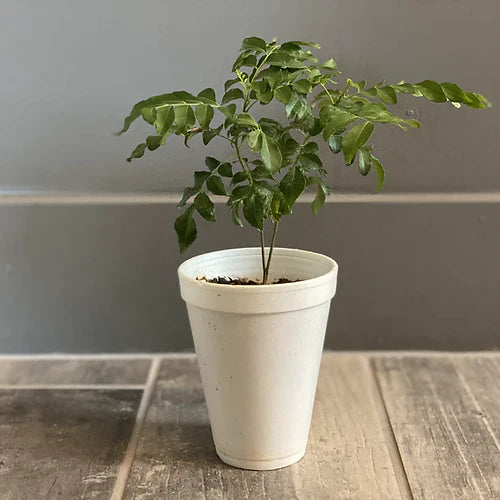
University of Maryland Extension's herb harvesting guidance says plants should have enough foliage to maintain growth before picking begins. Applied to a small curry leaf plant, that means being especially conservative. A 6-inch starter is an investment in future growth, not an instant replacement for every grocery-store bunch.
How to pick curry leaves for one meal
- Check the plant first. Postpone harvesting if it is wilted, heavily yellowing, or under pest stress.
- Choose a modest amount of mature foliage. Leave the tender new growth and most of the canopy to keep developing.
- Support the stem. Use clean scissors for a small snip where needed instead of yanking a branch or pulling against the roots.
- Stop early. If picking for your recipe would leave the little plant bare, use purchased culinary leaves for the remainder.
- Watch recovery. Wait for continued healthy growth before another picking.
For perennial herbs generally, Iowa State Extension advises light harvesting, with about one-third of top growth as an upper limit. Treat that as a general ceiling, not a target for a young curry leaf plant. A few leaves may be all a small plant can spare.
Harvesting for cooking is different from pruning for shape
A light kitchen harvest takes a small amount you will use. Structural pruning changes the plant's shape and branching. Avoid combining a large harvest with a major pruning session simply to get more leaves at once. Decide which job you are doing before making the first cut.
Keep a simple note of what you picked and photograph the plant afterward. If each new picking leaves a thinner canopy than the last, increase the rest period. Your recipe schedule should not determine the plant's recovery schedule.
What should you do after harvesting?
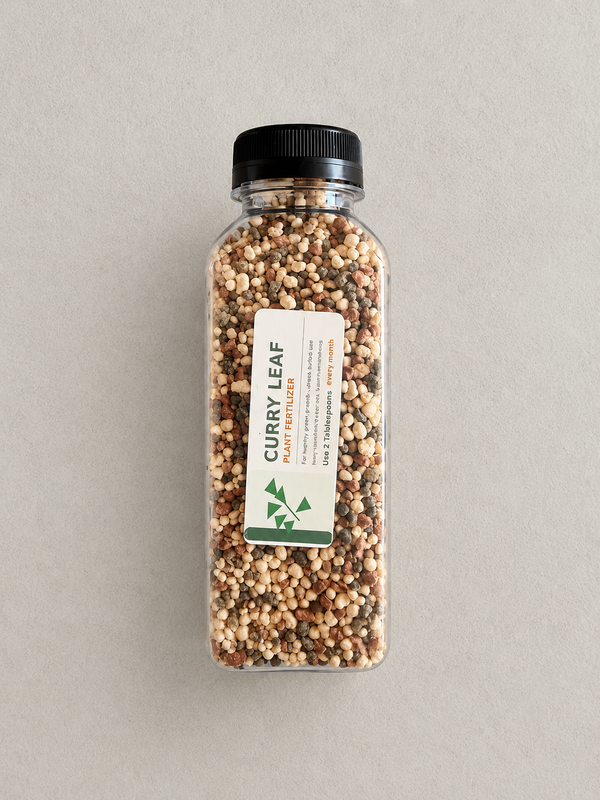
Return to normal care: suitable light, good drainage and moisture checks. Do not automatically add extra fertilizer after every harvest. Fertilizer supports appropriate active growth; it cannot instantly replace removed foliage.
If your established plant is growing and feeding is appropriate, see our curry leaf plant fertilizer and follow the label. Check whether your potting mix already contains fertilizer before adding another product.
Using and saving the leaves
Use leaves from a correctly identified culinary curry leaf plant, and follow any treatment label's harvest restrictions. Rinse leaves before cooking. UC Master Gardeners notes that curry leaves can be used fresh or frozen; drying loses much of their flavor. Freeze small portions so you can take what you need without repeatedly harvesting a small plant.
Common harvesting questions
Can I pick leaves every day?
Not as a rule. A mature, vigorous plant has a different capacity from a small indoor starter. Harvest only what the plant can spare and pause when growth slows.
Will picking all the leaves make it bushier?
Do not strip a plant to encourage growth. Leave foliage for recovery and seek pruning guidance suited to its size and health.
Where can I start my own plant?
Explore our 6-inch curry leaf plant and larger fertilizer sampler. Give it suitable conditions and time to establish before expecting regular harvests. For help with your current plant, send us a question.