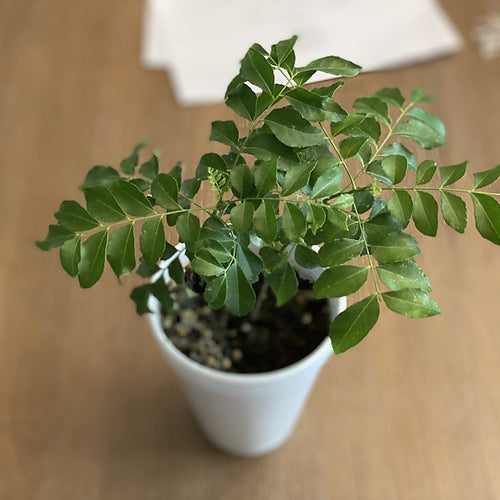


Move a curry leaf plant outdoors gradually, starting in a sheltered, shaded location and increasing exposure as it adjusts. A plant that spent winter behind glass should not go straight into intense afternoon sun.
I'm Kumar from Kumar's Garden in Arizona. Outdoor growing can offer useful light, but the move changes several things at once: sun, wind, temperature and how quickly the pot dries. Here is a practical way to make that transition more manageable.
When is it safe to move a curry leaf plant outside?
Check your local forecast and nighttime conditions rather than using one national planting date. Curry leaf plants need protection from frost. A warm afternoon is not enough reason to leave a plant outdoors through a cold night. The RHS curry tree profile describes summer outdoor growing with indoor protection in frost-prone climates.
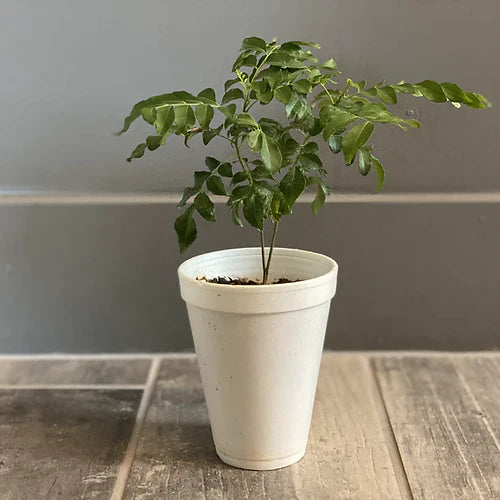
Before moving the pot, choose a place where you can retrieve it quickly if weather changes. A sheltered patio is easier to manage than a distant garden corner. A newly delivered plant should settle in according to its care instructions before being asked to handle another major change.
Start with shelter, then introduce more light
University of Georgia Extension recommends gradual outdoor acclimation, beginning in shade and allowing roughly a week or two before a final summer location. That is a starting framework, not a guarantee that every plant will be ready on day fourteen.
- First outings: Choose mild weather and a shaded position protected from strong wind. Keep the first visits short enough to observe how the plant responds.
- Build consistency: Repeat exposure in the same protected spot. Bring it back to protection when nights or weather are unsuitable.
- Add gentle sun: Introduce some morning light gradually once the plant is coping well. Avoid a sudden jump to midday heat.
- Choose the summer position: Keep monitoring the plant after the move. Shade may still be useful during intense heat.
These steps are an adaptable observation plan. Pause or step back if foliage wilts badly, develops pale scorched areas, or conditions suddenly become hotter or windier.
Does a curry leaf plant need full sun outdoors?
It can grow in full sun or partial shade, but acclimation and climate matter. UC Master Gardeners recommends protection from direct sunlight during hot summer weather to reduce sunburn. In a hot patio setting, reflected heat from walls and paving is another reason to inspect the actual location before leaving a pot there all day.
Recheck watering after the move
Sun and wind can dry a pot faster than your indoor setup. Check the potting mix instead of keeping the same automatic watering interval. On the other hand, rain can leave a pot wetter than expected. Ensure the drainage holes are open and empty collected water from saucers.
A useful habit is to check once in the morning and look again after unusually hot or windy weather. Checking is not the same as watering: add water when the plant and mix need it, not simply because you checked twice.
When should fertilizer return to the routine?
Make the environmental transition first. Once the plant is established and actively growing, review its feeding needs and the fertilizer label. University of Minnesota Extension's spring guidance discusses adjusting care as plants resume growth.
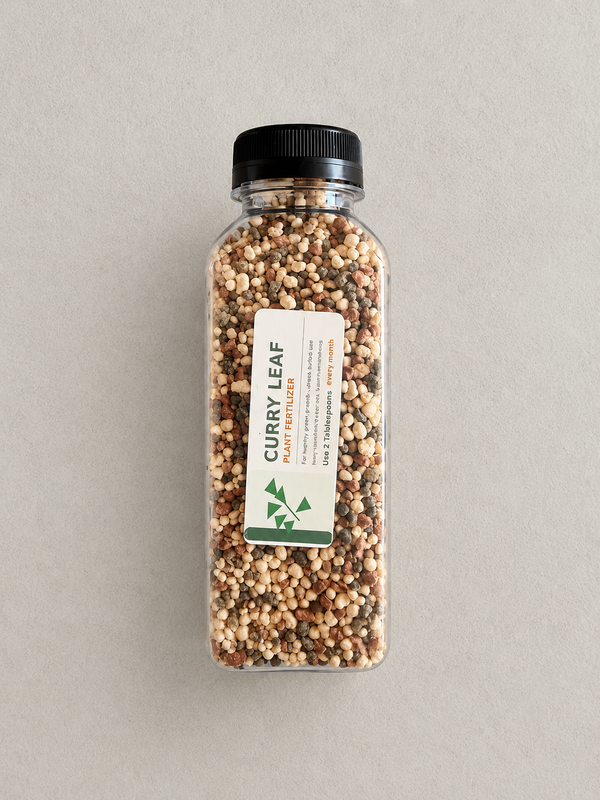
Our curry leaf plant fertilizer is available for your growing-season routine. Do not use extra fertilizer as a treatment for sunburn or transplant stress, and account for any fertilizer already present in the potting mix.
A quick before-you-move checklist
- Forecast checked, including nights.
- Sheltered starting location selected.
- Drainage holes open and pot easy to move.
- Plant photographed so changes are easier to spot.
- Watering and fertilizer decisions based on current growth.
Can I move it straight outside after delivery?
Give a new arrival time to settle and follow its supplied care instructions. Shipping, repotting and a sudden sun change are several stresses at once.
Starting a new container garden? View our 6-inch curry leaf plant with a larger fertilizer sampler, or ask us about your intended growing location before choosing a plant.